
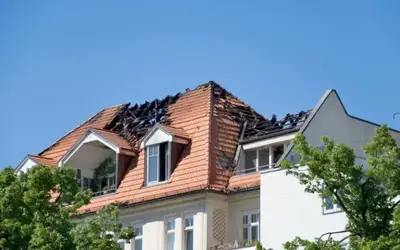
You did everything right. A storm rolled through, you noticed missing shingles or a new leak, and you filed a claim. Then the letter came back: denied, wear and tear.
If that sounds familiar, you're far from alone. Roof claims are some of the most commonly denied claims in Florida, and "wear and tear" is one of the most common reasons insurers give. Here's the thing, though. A denial letter is the insurance company's opinion. It isn't the last word, and it's often worth challenging.
What Wear and Tear Really Means
Most Florida homeowners policies cover sudden, accidental damage, like wind tearing off shingles or a falling limb punching through the roof. What they don't cover is normal aging. Shingles that have slowly worn out from years of sun, granule loss from age and old flashing that finally gave up are typically excluded as wear and tear or deterioration.
The problem is that almost every Florida roof has some age on it. That gives the insurer an easy way to point at an older roof and say the damage was coming anyway, even when a storm clearly did the real harm.
Why Good Roof Claims Get Denied
In our experience, roof denials usually come down to a few things:
- A quick inspection. The insurer's adjuster spends a short time on the roof, or only looks from the ground, and misses lifted or creased shingles.
- No link to a storm date. If the claim doesn't tie the damage to a specific weather event, it's easier to blame age.
- Missing interior evidence. Ceiling stains, wet insulation and attic damage help show when and how water got in.
- Old damage mixed with new. When prior wear and fresh storm damage sit side by side, the insurer may lump it all together.
How to Fight Back With Evidence
The way to beat a wear-and-tear denial is simple to say and hard to do alone: prove the storm caused the damage. That means a detailed roof inspection by someone working for you, with close-up photos of creased, lifted or missing materials, and documentation of where the damage is concentrated. Wind damage often shows up on the sides of the roof that faced the storm, which is very different from even, age-related wear across the whole surface.
It also helps to match the damage to a real weather event. Storm reports, wind data and the timeline of when leaks started inside the home all help connect the dots. Combine that with interior photos and a line-by-line repair estimate, and you've got a claim that's much harder to brush aside.
Don't Forget the Code Question
Florida's building code has rules about how much of a damaged roof has to be repaired or replaced, and those rules changed in recent years. The answer can depend on when your roof was installed and what it's made of. This is exactly the kind of detail that can change the size of a roof claim, and it's easy to miss if nobody on your side is looking for it.
Watch Your Deadlines
If your roof claim was denied or underpaid, time isn't on your side. In Florida, you generally have 1 year from the date of loss to report a new or reopened claim and 18 months for a supplemental claim. Don't let a denial letter sit in a drawer while those dates get closer.
What a Public Adjuster Does Differently
A public adjuster works for you, not the insurance company. We inspect your roof from top to bottom, document the storm damage, review your policy for every coverage that applies, and present the claim with the evidence an insurer has to take seriously. Then we handle the back-and-forth so you don't have to.
Since 2013, Global Public Adjusters has recovered more than $500 million for Florida property owners, and roof claims are a big part of that work.
Got a roof denial letter? Send it our way. Call 407-900-5025 or request a free claim review, and we'll tell you honestly whether your claim is worth reopening. There's no upfront cost to find out.
Quick answers
Why do insurance companies deny roof claims for wear and tear?
Most homeowners policies cover sudden damage, like wind lifting shingles, but exclude normal aging and deterioration. When the insurer's adjuster decides the damage came from age instead of a storm, the claim gets denied as wear and tear.
Can a denied roof claim be reopened in Florida?
Often, yes, if you act within Florida's notice deadlines. You'll need strong evidence that the damage came from a covered event, such as storm reports, photos and a detailed roof inspection.
This article is general information, not legal advice. Every claim and policy is different.
Keep reading
- Hail and Flooding in Hollywood, Fort Lauderdale and Broward (Nov. 17, 2026): What Your Insurance Covers
- Hurricane Isaias Claim Denied or Underpaid? What Pensacola and Panhandle Homeowners Need to Know
- Florida Insurance Claim Deadlines in 2026: Don't Let the Clock Cost You Your Claim
- Find a public adjuster in your city